
Transformer Heat Recovery
INSIGHT
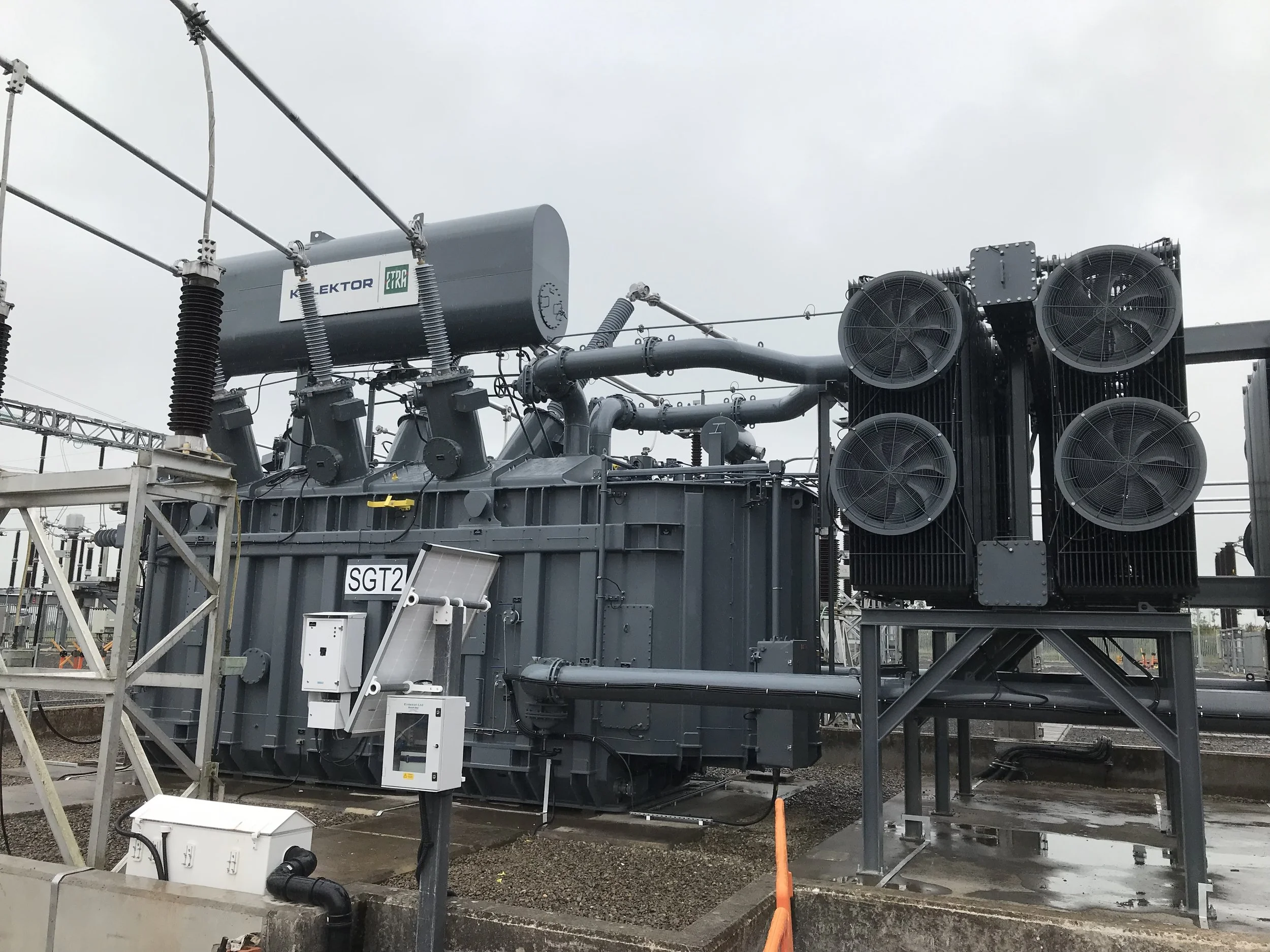
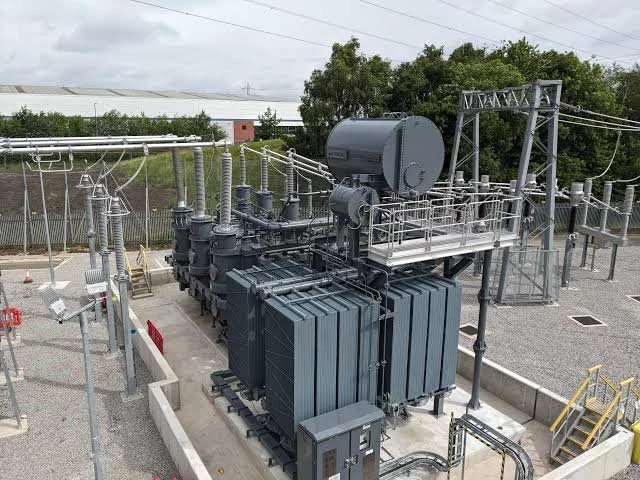
There is an abundance of waste heat in the UK which offers an alternative heat source for district and residential heat networks. Elevate were appointed by a prominent electrical operator (DNO) to review the feasibility of recovering heat from their portfolio of several hundred transformers distributed nationwide UK.
Elevate were appointed to carry out a feasibility investigation to quantify the scale of the opportunity and review the optima sites from a technical, environmental and commercial perspective. Using asset operational data with GIS-based spatial analysis, the project identified 280GWh of recoverable heat annually across the network, equivalent to the heating demands of 23,500 typical UK homes.
The project successfully delivered a robust technical, economic, and environmental assessment to form the basis for further development and commercialisation and investment in development of a prototype.
WORKS PROVIDED
To establish a thermal baseline across the network, we developed a methodology to quantify transformer heat rejection and evaluate existing cooling technologies. A detailed waste heat output analysis was conducted to establish numerical relationships and calculate thermal yields across various sites using available asset data. This baseline model categorized both oil-cooled and dry-type units, incorporating their rated capacities, historical load profiles, and specific cooling characteristics.
Using GIS tools to spatially analyse these assets against clusters of heat demand, anchor loads and proximity to heat networks. This was used as a basis to rank the transformers based on heat output, distance to heat demand as well social deprivation indices to and proximity. Environmental and Commercial Analysis was conducted to build a detailed comparative lifecycle model, measuring capital costs, payback periods, price of heat and carbon savings against gas boiler and air source heat pump counterfactuals. These KPIs were reviewed across all of the sites and produce a interactive GIS map to capture the results.
Services Elevate Provided
Spatial GIS heat mapping and regional asset profiling.
4th and 5th Generation (5G) ambient loop network integration design concepts.
Stakeholder engagement to review project constraints.
Techno-economic scenario modelling against ASHP and gas boiler counterfactuals.
Lifecycle financial modelling and Levelised Cost of Heat (LCOH) analysis.
Whole-life carbon emissions calculation
High-density anchor load identification and spatial proximity analysis.
Report outlining the project findings.
Challenges and Solutions
At the project's outset, evaluating multiple methodologies was critical to overcoming significant technical data gaps across the transformer sites. To address this a literature review was carried out which was able to determine a more high-level relationship to extrapolate the amount of waste heat.
Another key challenge was quantifying the capital expenditure (CapEx) of transformer heat recovery, which served as a critical input for the techno-economic model. To resolve this, the team developed a conceptual design to understand the key plant items, applying standard industry overheads to determine the total delivery cost. This approach captured the core cost characteristics of each scenario, ensuring the options were directly comparable. Furthermore, these financial benchmarks were validated against similar transformer heat recovery projects.